
Chapter II — 1606 — 1901
Contact & the Frontier
Invasion, resistance and the war for the land
From 1788, a colony grew at Sydney Cove without a treaty, and the frontier spread across the continent for more than a century — and the people of the land fought back at every step.
01
Encounters before the flag
First Nations Australia was never isolated. Makassan praus sailed from Sulawesi each monsoon season for centuries, trading cloth, tobacco and steel for trepang, and leaving words, ceremonies and descendants among Yolngu clans. Dutch, Portuguese and French ships touched northern and western coasts from 1606.
Cook's 1770 claim at Possession Island ignored every one of those facts, and the people he could see fishing the shoreline. When the First Fleet arrived on 26 January 1788, Britain claimed sovereignty without treaty, purchase or consent — the legal fiction of terra nullius, land belonging to no one, did the rest.
02
Pemulwuy's war and the long frontier
Resistance began almost immediately and never stopped. The Bidjigal warrior Pemulwuy fought a twelve-year guerrilla campaign around Sydney; Windradyne's Wiradjuri struck the Bathurst plains in the 1820s; Yagan led the Swan River resistance in the 1830s; Jandamarra held the Kimberley's Tunnel Creek in the 1890s.
Historians now speak of the frontier wars — a conflict longer than the Western Front by more than a century, fought by Aboriginal nations in defence of Country. Massacres, poisoning and disease drove the colony forward. At Myall Creek in 1838, seven stockmen were hanged for murdering around 28 Wirrayaraay people — the only time colonists were executed for it.
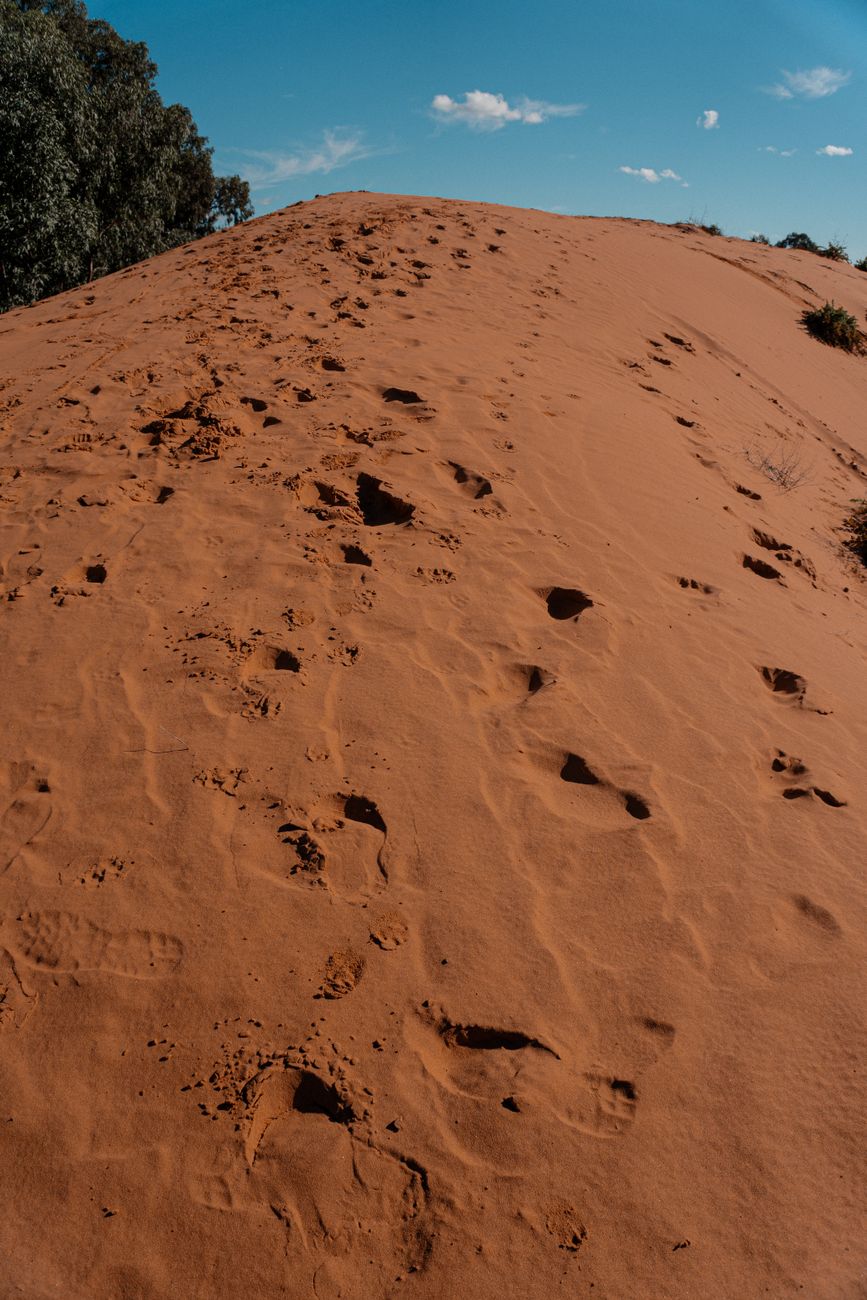
The frontier's wide, dry country — and its long memory
03
Survival, then survival of the record
By 1900 the Aboriginal population had fallen to its lowest point — perhaps 80,000 from as many as a million or more at contact. Communities were displaced onto missions and stations; children began to be removed — the beginning of the Stolen Generations.
Yet survival outlasted every policy of erasure. Languages were hidden and carried, ceremonies moved to darker paddocks, families kept kin alive across stolen distances. The frontier wars lasted longer than the Western Front — and so did the resistance.
“The frontier wars lasted longer than the Western Front — by more than a century.”
Key moments
Next — Chapter III